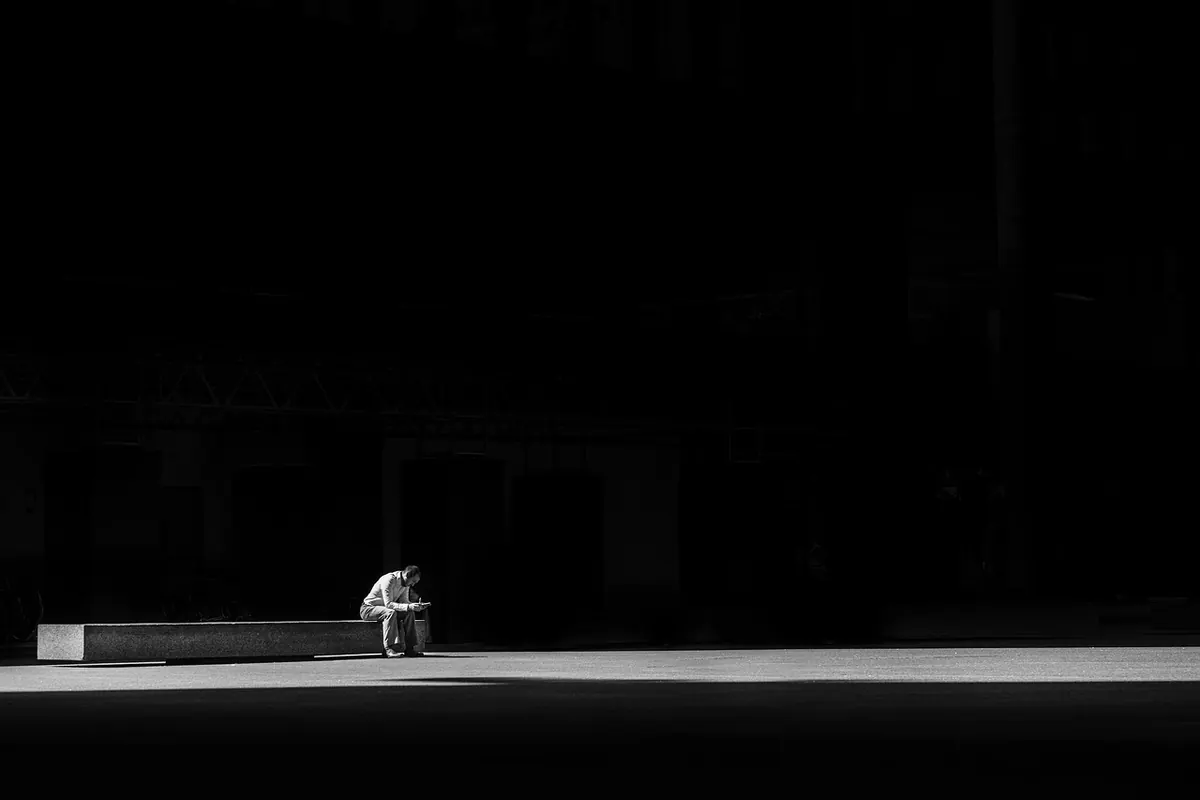

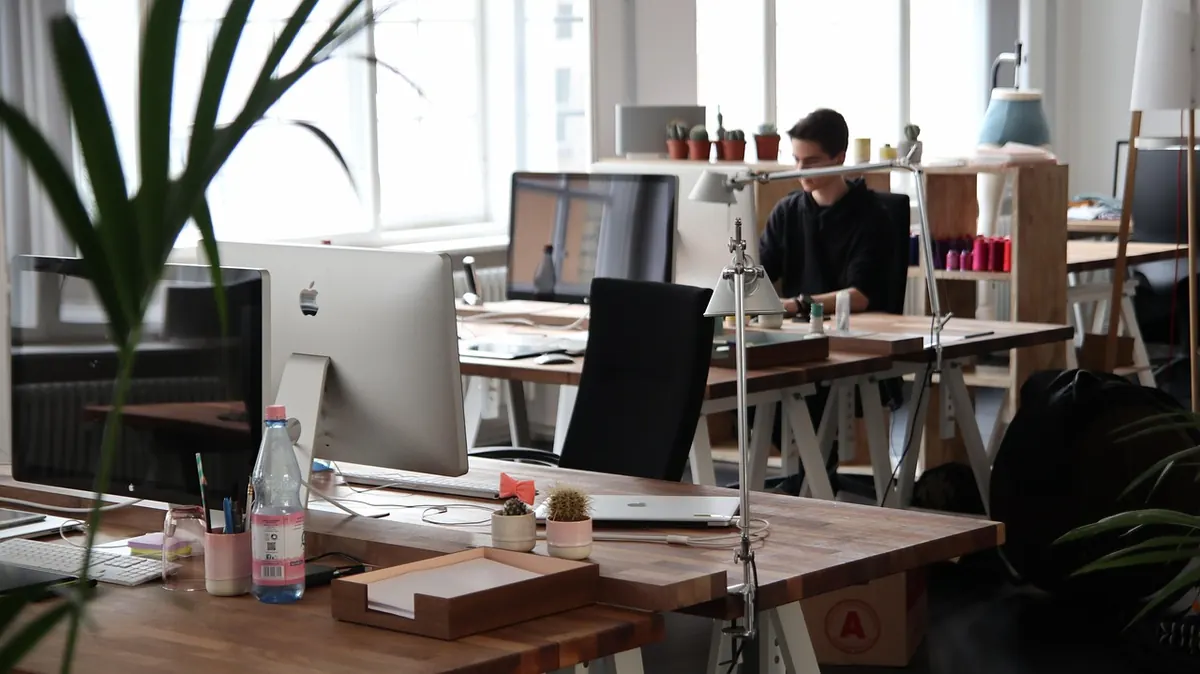
Five minutes is not long. It is roughly the time it takes for the kettle to boil, for a file to download, or for a colleague to answer a message you sent two minutes ago. That is exactly what makes it useful. A short, deliberate pause in the middle of a working day does more for your attention than an hour of good intentions saved for the weekend, because it actually happens.
Nothing below requires a cushion, an app, a subscription or a quiet room. It requires a chair, a little willingness, and the discipline to keep it small.
Why five minutes is worth taking
Attention doesn't run at a steady level all day. It dips after concentrated effort, after difficult conversations, after an hour of small decisions. The obvious symptom is reading the same sentence three times and still not knowing what it said. The less obvious one is the low hum of background tension that follows you into the afternoon.
That isn't a character flaw. It is what a busy mind does when it has been asked to hold a lot at once. The point of a mindfulness break is not to feel serene, and it is certainly not to empty your head. It is to interrupt the slide — to notice that you have drifted and to bring yourself back on purpose, rather than waiting for lunch or home time to recover. Five minutes is short enough to fit between things and long enough to change the tone of the next hour.
What a mindfulness break actually is
Strip away the packaging and it comes down to three moves:
- Anchor. Give your attention one plain thing to rest on — the feeling of breathing, your feet on the floor, the sounds in the room.
- Notice. When your attention wanders off into tomorrow's meeting or last night's argument, notice that it has wandered.
- Return. Bring it back to the anchor. Then do it again.
The third move matters most, and it is the one people get wrong. Wandering off is not a failure; noticing that you have wandered is the practice. If you spend five minutes realising you are distracted and coming back, you have done it properly. You are not trying to achieve a blank mind. You are rehearsing the skill of coming back, which is the same skill you use when a meeting drifts and you need to steer it home.
Three practices to try this week
The three-breath reset
- Sit as you are. No straightening up required. Let your hands rest.
- Breathe in through your nose, roughly to a count of three or four.
- Let the out-breath be a little longer than the in-breath, without forcing it.
- Repeat three times, then sit still for one more breath and notice the small gap at the end of the exhale.
That takes about forty seconds and is invisible from across the room. It is a good one to keep in your pocket for the moment before a difficult call.
Feet, seat, hands
Press both feet into the floor and notice the pressure. Notice the chair holding your weight. Notice your hands resting on the desk or keyboard — temperature, texture, the small points of contact. Stay with each one for a few breaths. This is the most discreet option of the three, because to anyone watching you are simply sitting at your desk looking thoughtful, which is a normal thing to be doing at work.
The outward turn
Instead of turning inwards, turn outwards. Rest your attention on sound. Find three sounds you hadn't registered: a fan, traffic, someone's keyboard, the hum of a fridge. Let each one arrive rather than reaching for it. Then notice the quieter layer underneath them. This works well if you find that focusing on your breath makes you feel more wound up, which is more common than people admit.
How to do this without anyone noticing
Discretion is mostly about what you do with your eyes and your shoulders. Keep your eyes open and lowered towards your desk; half-closed looks contemplative, fully closed looks like a nap. Keep your hands where they normally are. Don't punctuate the exercise with a long, audible sigh.
Use natural cover. Waiting for a file to load, standing by the kettle, walking to the printer, the thirty seconds before a video call begins — these are all moments when nobody expects anything of you, which makes them ideal. If you would like a physical reminder, a small object on your desk works well: a stone, a plant, a particular mug. It looks decorative and serves as a cue. And if closing your eyes isn't an option — in an open-plan office, say — breathe with your eyes open and your gaze soft on a fixed point. It works just as well.
When to slot them in
The practice isn't the hard part; remembering is. Attach the break to something that already happens in your day:
- Before you open your inbox in the morning
- The moment you send a message you had been dreading
- After a meeting ends, before the next thing starts
- When you catch yourself rereading the same line
- When your shoulders have crept up towards your ears
Two or three a day is plenty. Ten is usually a sign that you are trying to fix a scheduling problem with breathing.
What to do when it doesn't seem to work
Four snags come up again and again:
- "I can't stop thinking." You aren't meant to. Noticing the thinking is the exercise.
- "I feel more restless than before." Shorten it. Keep your eyes open. Use your feet or the sounds around you instead of the breath.
- "I keep forgetting." Pick one cue and keep only that cue for a week rather than trying three at once.
- "It feels self-indulgent." It is closer to sharpening a knife than to having a treat. You are maintaining the thing you work with.
One sensible note: if sitting quietly tends to bring up distressing thoughts, or if you are living with persistent anxiety or low mood, a five-minute break is not a substitute for proper support. Speak to your GP.
Start with one cue and one practice
Choose a single trigger and one of the three practices above. Do it once a day for a week at the same moment each time, and put a note somewhere you will see it — a sticky note on the monitor edge is unfashionable and effective. Measure success by whether you did it, not by how calm you felt. Some days it will feel like nothing much happened, and that is normal.
After a week, if it is holding, add a second cue. If it isn't, shrink it: three breaths, once a day, is a legitimate place to begin. Over a month you will have built a handful of small pauses into the shape of your working day, and you will notice their absence on the days you skip them. That is the whole ambition — not a calmer personality, just a few reliable places to put your attention back where you want it.
Photo: StockSnap / Pixabay