

You can spend an hour winding down and still lie awake at midnight. You can also spend ten deliberate minutes and be asleep before the end of the first chapter. The difference is rarely effort. It is timing, repetition, and how clearly you signal to your body that the day is finished.
The last ten minutes before bed matter because they are the final thing your nervous system hears from you. If that message is a bright screen, a half-read email or a mental list of tomorrow's problems, the body stays on watch. If the message is dim light, warmth and a familiar sequence, it stands down. That is the whole idea behind this checklist: not relaxation for its own sake, but a short, repeatable set of cues that say safe, finished, rest.
What ten minutes can and cannot do
A bedtime routine is not a treatment for insomnia. If you have slept badly for more than a few weeks, or you wake unrefreshed most mornings, speak to your GP. Persistent sleep problems can have treatable causes, and no checklist should stand in for that conversation.
What a routine can do is remove friction. Most people do not struggle to fall asleep because they lack discipline. They struggle because they arrive in bed still switched on, with the day's unfinished business humming in the background. Ten minutes of the right signals will not fix a broken boiler or a difficult week. It will, however, give your body a consistent landing strip.
The checklist, minute by minute
You do not need to hit these timings exactly. The order matters more than the clock, so run through it in the same sequence each night and let your body learn the shape of it.
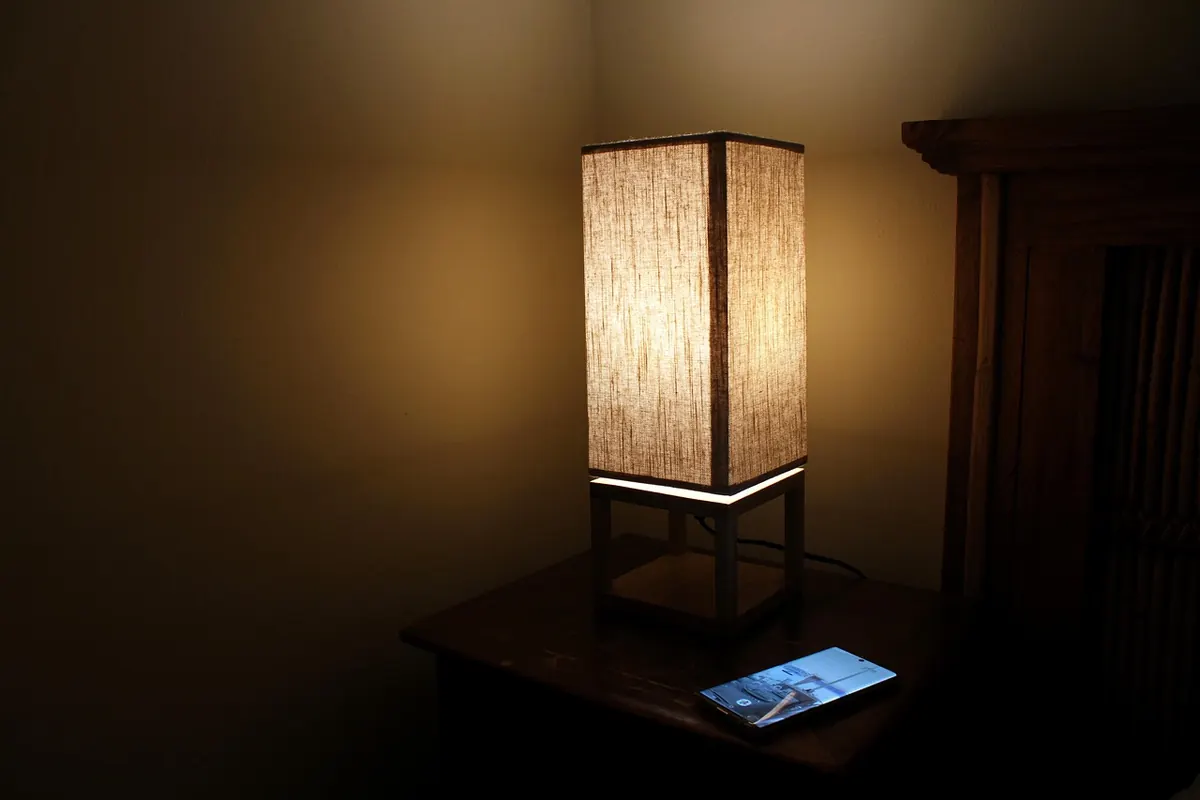
- Minutes 1–2: Dim everything. Overhead light off, lamp on at its lowest setting, curtains closed. If you have a warm bulb, use it. Bright, white light late in the evening tells your brain it is still afternoon.
- Minutes 2–3: Gather the loose ends. One small surface only — the bedside table, not the whole kitchen. Put the mug in the dishwasher, straighten the books, fold the jumper. Low-stakes orderliness is oddly persuasive to a restless mind.
- Minutes 3–4: Write tomorrow down. Three items maximum, on paper. Not a plan, just the three things you do not want to carry into the night. Once they are written, they are someone else's problem until morning.
- Minutes 4–6: Warm up. A warm shower, or simply washing your face and hands. The small drop in body temperature afterwards tends to help sleep along. A milky drink is fine if you like one; keep it small so it does not wake you at three.
- Minutes 6–8: Loosen your shoulders and slow your breathing. A few unhurried stretches — neck rolls, a forward fold, whatever your body allows without strain. Then breathe in through your nose for a count of four and out for a count of six, five or six rounds. Keep it easy. You are not trying to achieve anything.
- Minutes 8–10: Get into bed and read something unremarkable. The same book, the same dim lamp, no news, no phone. Choose something you can put down without regret. When your eyelids get heavy, lights off. Same final move, every night.
The room does half the work
A cool, dark, quiet room does more for sleep than most gadgets. Aim for slightly cooler than you would choose for lounging about in, and let a blanket do the rest. If you use your phone as an alarm, a basic alarm clock is a worthwhile swap; failing that, charge the phone across the room rather than beside your head.
Turn the clock face away from the bed. If you wake at 3am, there is nothing useful to be gained from knowing it is 3.07am, and a great deal of quiet agitation to be lost to it.
Getting the day out of your head
If your mind starts listing things the moment the light goes off, the paper from step three should catch most of it. Keep a small pad by the bed for stragglers. One or two words is enough — car insurance, ring Mum — and then let it go until morning.
Worrying is not a bedtime activity. Give it a different slot: ten minutes in the early evening with a cup of tea, a notebook, and a fixed end. When the ten minutes are up, close the notebook. You are training the difference between thinking about something and being cornered by it at midnight.
When your body will not settle
If you have been lying awake for roughly twenty minutes and getting steadily more annoyed, get up. Keep the lights low and do something quiet and uninteresting — fold laundry, read a magazine, sit on the sofa with a blanket. Return to bed when you feel sleepy, not when you feel you have served your time.
This is not defeat. It protects the association between bed and sleep, which is one of the most useful things you own. Lying in bed frustrated teaches your body that the bed is where the arguing happens.
Three ways to undo a good routine
- Running it at wildly different times. A routine that starts at 9.30pm on Monday and 1am on Friday is teaching your body nothing at all. Aim for a consistent window, even if the exact time shifts.
- Making it too ambitious. Journalling, stretching, a bath, a meditation app, tidying the kitchen — by Thursday you will have quietly abandoned all of it. Ten minutes survives a bad week. Forty-five does not.
- Ending on a screen. The last input of the day is the one your brain chews on. Someone else's argument, a delivery notification or a work message at 11.40pm will not help you sleep, however briefly you look at it.
Making it stick
Attach the routine to something you already do without thinking — brushing your teeth, locking the front door, turning off the kitchen light. Whatever your existing last task is, make the checklist follow it immediately, so the two become one action rather than two decisions.
Write the list on a card and leave it by the bathroom mirror for a fortnight. After that you will not need it. Do not add steps until the current version feels boring, and if you miss a night, simply start again the next one. No catching up, no compensating with an early bedtime, no scoring yourself.
Tonight's version
If ten minutes still feels like a lot, take the three that do the most: dim the lights, write tomorrow down, get into bed with a book. That is a perfectly good routine, and it is far better than a longer one you skip.
Then repeat it, mostly, for a week. The point is not to perform the checklist flawlessly but to end every day the same way, so your nervous system stops bracing for the next thing. Boring is the goal here. Boring is what a bedtime should be.
If a few weeks of a steady routine changes nothing at all, that is useful information rather than a failure on your part. Take it to your GP and ask what else might be going on.
Photo: ianvanderlinde / Pixabay