

Spring arrives in layers. First the blackthorn, then the wild garlic, then the elderflowers in early summer. If you have ever walked a lane in April and caught that green, garlicky smell drifting out of the hedge, you have already met your first foraging plant. Learning to read the season properly — slowly, one plant at a time — is one of the quietest pleasures available to anyone with boots and an hour to spare.
What follows is a beginner's guide, not an encyclopaedia. Four or five plants learned thoroughly will feed you far better than fifty half-learned ones.
Start with the plants that announce themselves
Wild garlic
Ramsons carpet damp woodland from late February into May: broad, soft, pointed leaves growing in dense patches, with starry white flowers from April. The identification test is not visual but olfactory. Pick a single leaf, crush it, and smell. Real wild garlic is emphatically garlicky. Lily of the valley grows in similar places and is not — and it is poisonous. So are the young leaves of lords-and-ladies. This is why you pick leaf by leaf, checking each one, rather than grabbing a handful from a mixed patch.
Garlic mustard
Also called jack-by-the-hedge, this grows along verges and hedge bottoms. The leaves are heart-shaped with scalloped edges, the flowers small and white with four petals, and a crushed leaf smells faintly of garlic. Mild enough to chop raw into a salad, and one of the most abundant spring greens in the country.
Three-cornered leek
Common in coastal towns and city gardens, with a distinctly triangular stem, white bell-shaped flowers striped green, and the same garlic smell. Same rule applies: crush and sniff before anything goes in the basket.
A basket of gentler things
Once you trust your eye, these are all common, safe and useful. Learn them in whatever order suits your usual walk.
- Nettles. Take only the top four leaves of young plants, wearing gloves. Cooking destroys the sting, and the flavour sits somewhere near spinach. Best before they flower.
- Chickweed. A soft, sprawling weed with tiny white star flowers and a single line of hairs up the stem. Mild, crisp and good raw.
- Hairy bittercress. Often dismissed as a garden weed, with small rounded leaflets in opposite pairs and a peppery heat. Excellent in sandwiches.
- Dandelion. Young leaves picked before the flowers open are the least bitter. Use sparingly; the flavour is assertive.
- Hawthorn. The young leaves, taken as they unfurl, are mild and slightly nutty — traditionally eaten straight from the hedge.
- Sorrel. Wood sorrel has three heart-shaped leaflets and a sharp lemon taste. Treat it as a flavouring rather than a vegetable, as it is high in oxalic acid.
The lookalikes worth memorising
Every forager makes mistakes by sight alone. You avoid them by using more than one sense and more than one feature.
- Wild garlic against lily of the valley. Smell settles it instantly. No garlic scent, no wild garlic.
- Wild garlic against young lords-and-ladies. Lords-and-ladies leaves are usually glossier and arrow-shaped, often blotched dark; crushed, they smell of very little.
- The carrot family. Cow parsley, hemlock and several relatives look alike, and some are deadly. If you are new to this, leave the whole family alone until someone experienced has shown you the differences in the field.
- Sorrel against clover. Clover leaflets are rounded and often marked with a pale V. Sorrel leaflets are heart-shaped and taste sharply of lemon.
The rule is simple: if you cannot name it with certainty, it goes back on the ground.
What the law expects of you
In England and Wales, the Theft Act 1968 means that picking wild mushrooms, flowers, fruit or foliage for your own use is not theft — provided you are not doing it to sell and you are not trespassing. Uprooting a wild plant without the landowner's permission is a separate offence under the Wildlife and Countryside Act 1981, which also protects certain rare species outright. Scotland works differently: access rights under the Land Reform (Scotland) Act 2003 allow you to pick wild plants and fungi for personal use, but not to uproot them or take them commercially.
Two practical points matter more than the statutes. Many sites — nature reserves, SSSIs, National Trust and Forestry England land — have byelaws or policies that prohibit foraging, so check before you pick. And picking for profit is a different activity with different permissions. This is general guidance rather than legal advice; if you are unsure about a specific site or plan, ask the landowner or take proper advice.
Picking well: leave more than you take
The old guideline is to take no more than one in twenty plants from any patch, and often far less. Never strip a stand of wild garlic to the ground; take a leaf or two from many plants rather than everything from a few. Leave the roots where they are, and move on rather than returning to the same spot week after week.
Where you pick matters too. Avoid busy roadside verges, where exhaust and spray drift settle, and skip the first metre of any path that dogs use. Take a basket or paper bag rather than plastic, so the leaves do not sweat and rot on the way home, and rinse everything before it reaches a plate.
Before you go: a five-minute checklist
- Take a field guide — ideally two — and check each plant against it rather than trusting a photograph on your phone.
- Pick one leaf, crush it, smell it. Scent is your fastest check.
- Confirm at least three features: leaf shape, stem, flower or
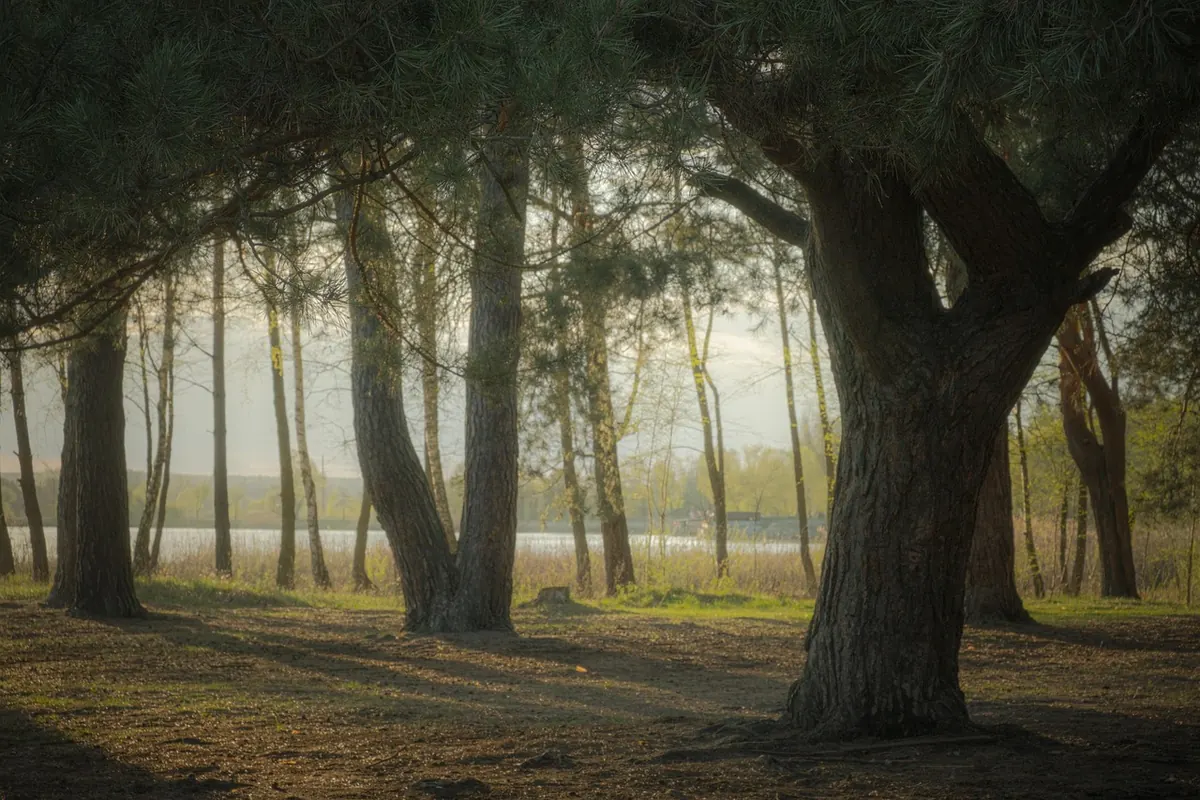
Photo: Mitrey / Pixabay