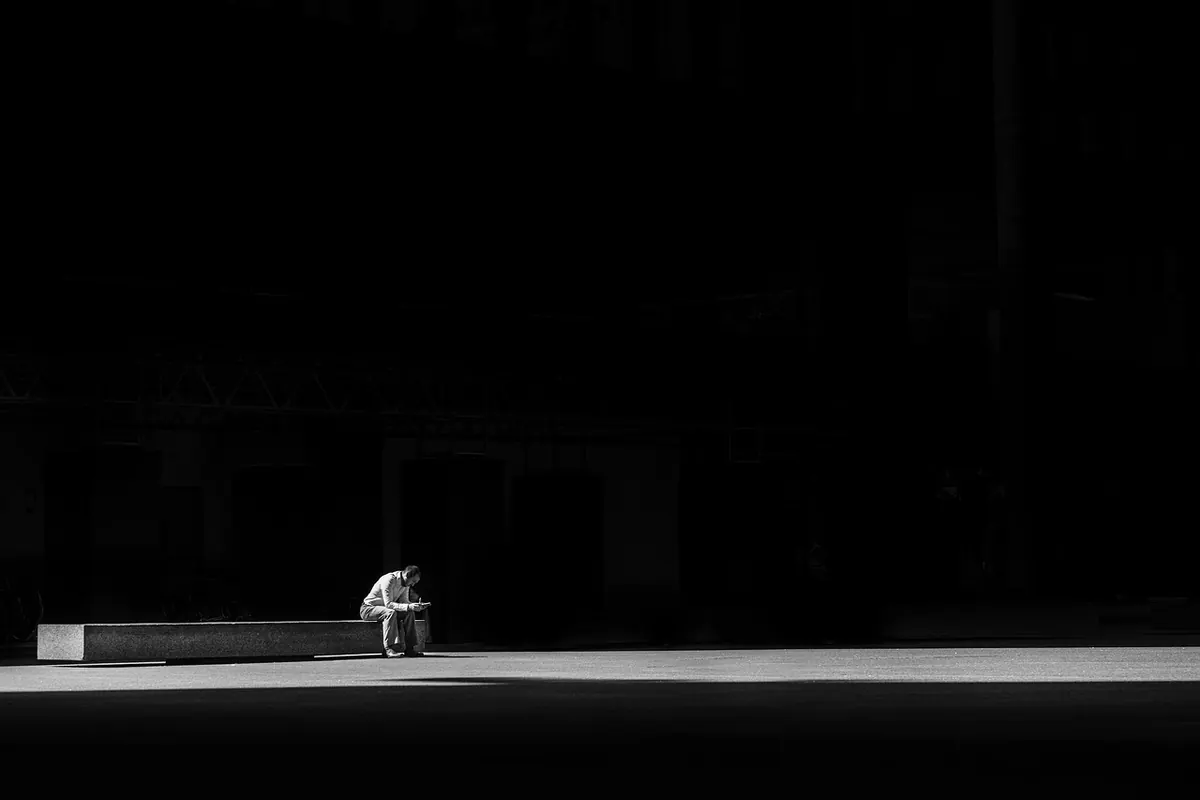

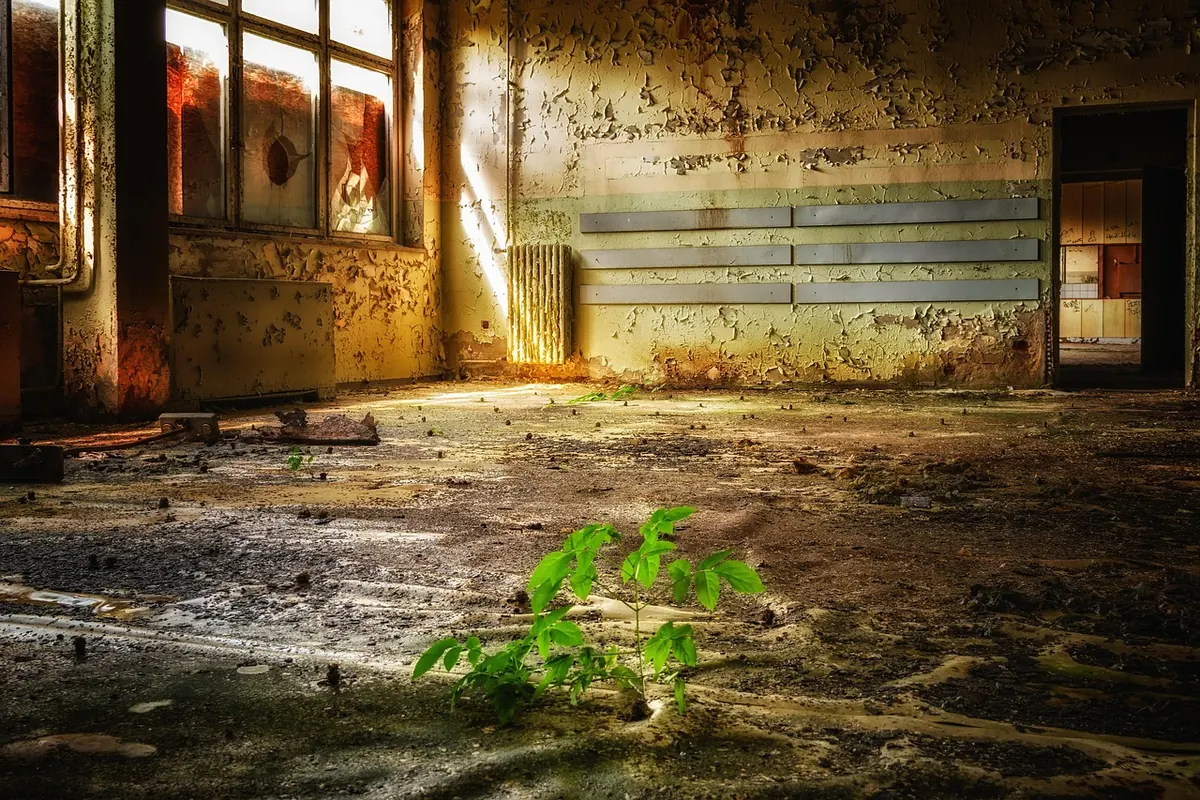
Picture two homes. In the first, the walls are bare, there are three plates in the cupboard and one chair at the table. In the second, there's a shelf of half-finished knitting, a heavy stockpot, a stack of paperbacks and a jar of saved screws. Both could belong to someone who says they live slowly. Neither is automatically minimalist. The two ideas get used interchangeably, but they answer different questions.
Two questions, not one
Minimalism asks: what can I remove? Slow living asks: what deserves my time? One is about volume, the other about pace. Muddle them and you can end up with a bare flat and a packed diary — a strange kind of failure, and a common one.
What minimalism is actually about
Strip away the beige photographs and minimalism is a practical answer to a practical problem: too many things to own, clean, store, repair, insure and think about. Every object you keep asks for a small amount of attention, and the total is not small.
Useful minimalism is specific and slightly dull. It looks like a wardrobe where everything gets worn within a fortnight, one drawer for cables instead of four, and kitchen kit you use weekly rather than the gadget bought for a single meal. None of it requires white walls. Plenty of minimalists live in old houses with patterned tiles and a lot of books.
The aim isn't emptiness. It's being able to find what you need without negotiating with your own cupboards, and spending less of the day on decisions that don't matter.
What slow living is actually about
Slow living is about speed and attention. It grew out of the Slow Food movement in Italy, a protest against fast food culture, and has since been applied to fashion, travel, mornings and gardening. The common thread isn't doing everything at a snail's pace. Anyone who has tried to be deliberately slow in a supermarket queue knows that isn't the point. The point is giving an activity the pace it actually needs — a braise that can't be hurried, a reply written after a night's sleep, a walk with no destination and no podcast.
In practice, slow living shows up as deliberate friction. It's the person who soaks dried beans on a Saturday night instead of opening a tin, who takes the train rather than the plane, who leaves the phone in another room during dinner. Notice that almost none of these choices are about owning less. Several of them require owning more: the bean pot, the good knife, the boots that will last a decade.
Slow living is also a practice of refusal. It says no to the meeting that could have been a message, to the invitation accepted out of politeness, to the Sunday spent catching up on work. Where minimalism trims the object count, slow living trims the calendar.
Where the two overlap
They are cousins, and it's easy to see why people treat them as twins.
- Both are arguments against default consumption. One says you don't need it; the other says you don't need it now, at this speed, bought in a hurry.
- Both protect attention. A clear shelf and an unhurried hour are two routes to the same quiet.
- Both reduce decision fatigue. Fewer shirts, fewer commitments — the morning gets easier either way.
- Both tend to make you buy better. If you own one pan and cook slowly, you'll spend on the pan that lasts.
Where they pull in opposite directions
Here's the part usually skipped. Minimalism can be extremely fast, and slow living can be extremely cluttered.
A person with a capsule wardrobe, a bare desk and one set of sheets may be answering emails at midnight and eating lunch at their keyboard. Their home is quiet; their week is not. Meanwhile, a slow-living household may contain three kinds of flour, a mending basket, a wine rack, four houseplants in various states of recovery and a shelf of records nobody has played since 2019. Every one of those objects is a claim about time: I intend to bake, to repair, to sit down.
The confusion produces two common mistakes. The first is minimalising the wrong thing — throwing out the bread tin and the camping gear, then filling the empty space with a busier schedule. The second is performing slowness with objects, buying linen aprons and cast-iron pans as though the things themselves slow the clock. Neither pile of stuff buys you an hour.
A quick way to tell which you need
Ask yourself three questions, in this order.
- When I look around this room, do I feel crowded or rushed? Crowded points to stuff; rushed points to schedule.
- If my diary were the only thing on trial, would I be acquitted? If the honest answer is no, decluttering the wardrobe won't fix the week.
- What did I last do without checking the time? Whatever that was, it's your evidence. Build more of it.
Usually there's one clear priority, and it's worth naming it before you buy a storage basket.
Can you do both?
Yes, and most people who stick with either end up doing a bit of both. But sequence matters.
Which one first?
If the excess is what's eating your attention, clear some of it first, because a cluttered flat makes slow evenings hard to enjoy. If your problem is that nothing ever gets your full attention, slow down first — a cleared shelf you never sit in front of is just an emptier room.
It also helps to remember that both words have been turned into aesthetics, and aesthetics sell things. Minimalism became a paint colour and a price bracket. Slow living became a brand of candle and a weekend retreat. The test for either is unglamorous and photographs badly: can you find the scissors, and do you have time to use them?
Minimalism removes what you don't need. Slow living protects what you do. Neither is a personality.
So back to the two homes. The bare one may belong to someone racing through their days, keeping the surfaces clear so nothing slows them down. The cluttered one may belong to someone who has decided the knitting, the stockpot and the jar of screws are all part of a life worth taking time over. Both are legitimate. Only one of them is automatically minimalist — and neither is automatically slow.
Photo: Tama66 / Pixabay